Sustainability
Ethical & Sustainable Herb Farming
Committed to sustainable farming, ethical labor practices, and environmental stewardship — aligned with our Global G.A.P. and SMETA certifications.
Environmental practices
Farming with nature, not against it
| Practice | Description |
|---|---|
| Water conservation | Drip irrigation systems deliver water directly to plant roots, minimizing waste. |
| Soil health | We build healthy soils naturally, reducing dependence on excessive chemical use. |
| Integrated pest management | Biological pest control reduces chemical pesticide use. |
| Biodiversity protection | We maintain natural habitats and corridors for local wildlife. |
Ethical labor practices
Fair work, fair treatment
At Herbs Horizon Ltd, our workers are our most valuable asset. We are committed to:
- Fair wages — all workers receive fair compensation for their labor
- Safe conditions — safe working environments with proper training and equipment
- Reasonable hours — working hours that respect worker wellbeing
- Freedom of association — workers have the right to organize and represent their interests
- Equal opportunity — fair treatment regardless of gender, ethnicity, or background
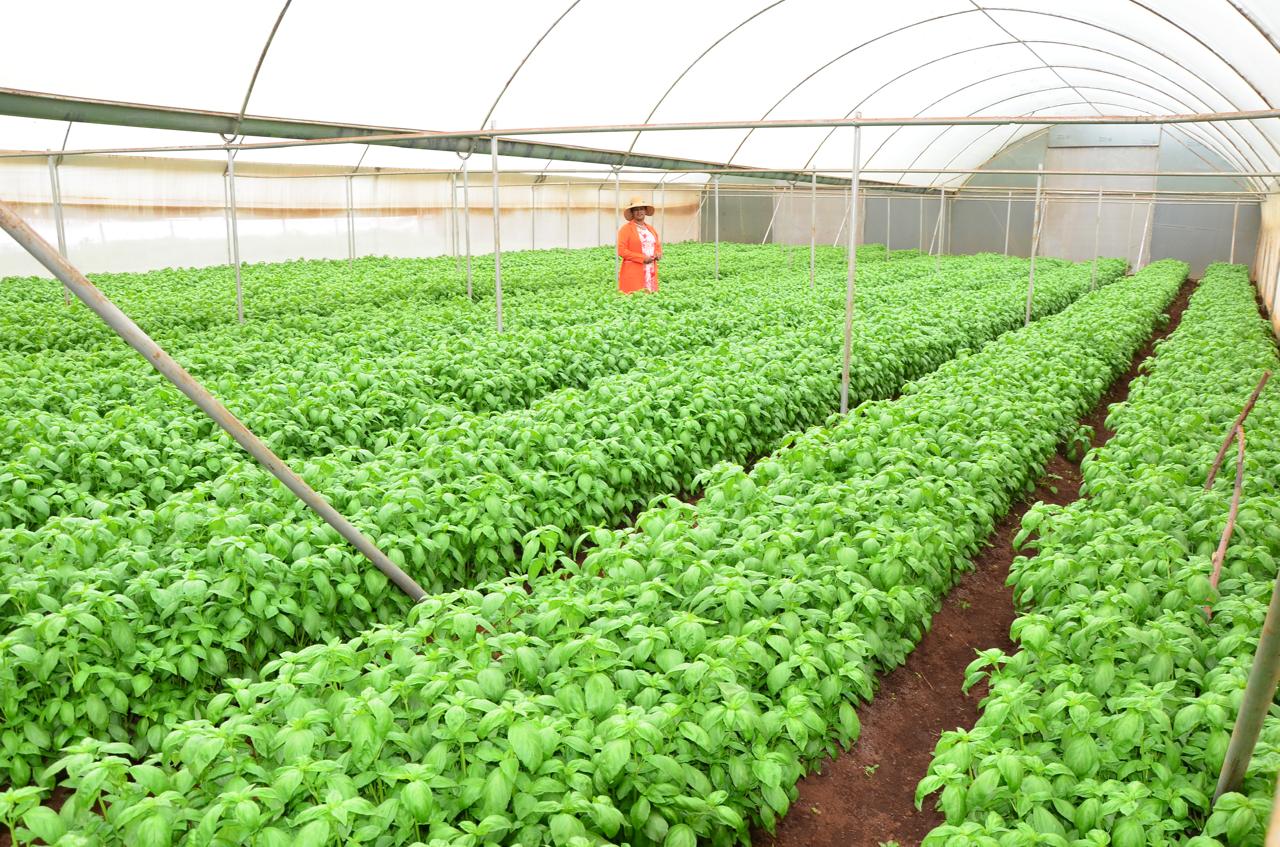
Community engagement
Growing together
Local employment
Creating meaningful employment opportunities for Ngong Saikeri residents.
Skills development
Training and developing local agricultural skills.
Community support
Supporting local schools and community initiatives.
Economic impact
Contributing to the local economy through our operations.
Sustainable agriculture in practice
Sustainable farming methods
- Crop rotation — maintaining soil health through diverse cropping
- Organic amendments — using compost and natural fertilizers to build soil fertility
- Water efficiency — drip irrigation and rainwater harvesting
- Energy efficiency — efficient farming practices to reduce energy consumption
- Waste reduction — minimizing waste throughout our operations
Biodiversity protection
Protecting the web of life
- Habitat preservation — maintaining natural habitats on and around our farm
- Pollinator protection — supporting bee and pollinator populations
- Native species — preserving and promoting native plant species
- Integrated pest management — protecting beneficial insects and organisms
Carbon footprint reduction
Reducing our impact
- Energy efficiency — efficient farming and cooling operations
- Reduced chemical use — minimizing the carbon footprint of chemical inputs
- Local sourcing — sourcing inputs locally where possible
- Sustainable transport — optimizing logistics to reduce transport emissions
Our ethical framework
Alignment with SMETA requirements
| SMETA pillar | Our commitment |
|---|---|
| Labor standards | Fair wages, reasonable hours, freedom of association. |
| Health & safety | Safe working conditions, proper training. |
| Environmental practices | Sustainable farming, resource conservation. |
| Business ethics | Transparency, anti-corruption, responsible conduct. |